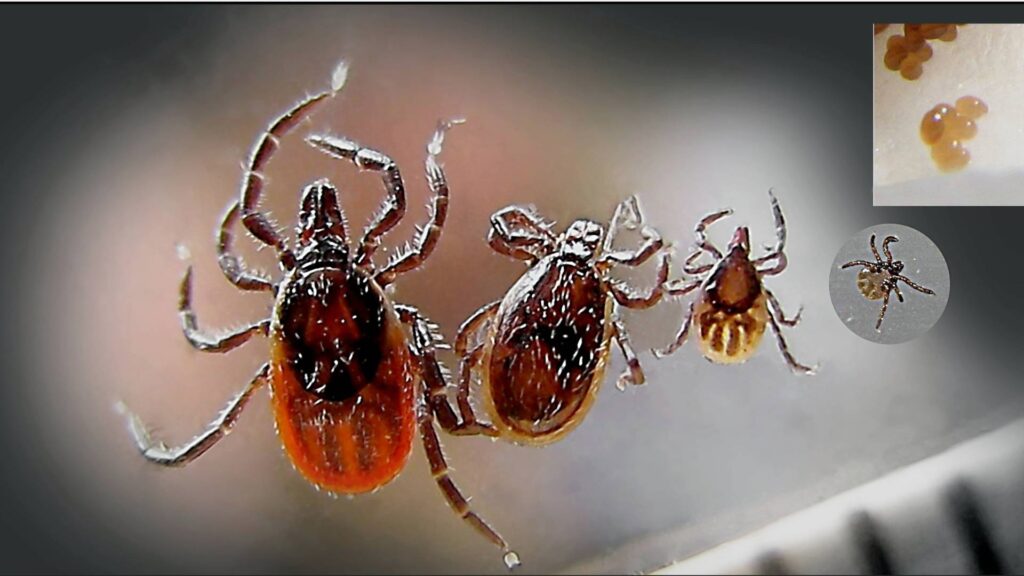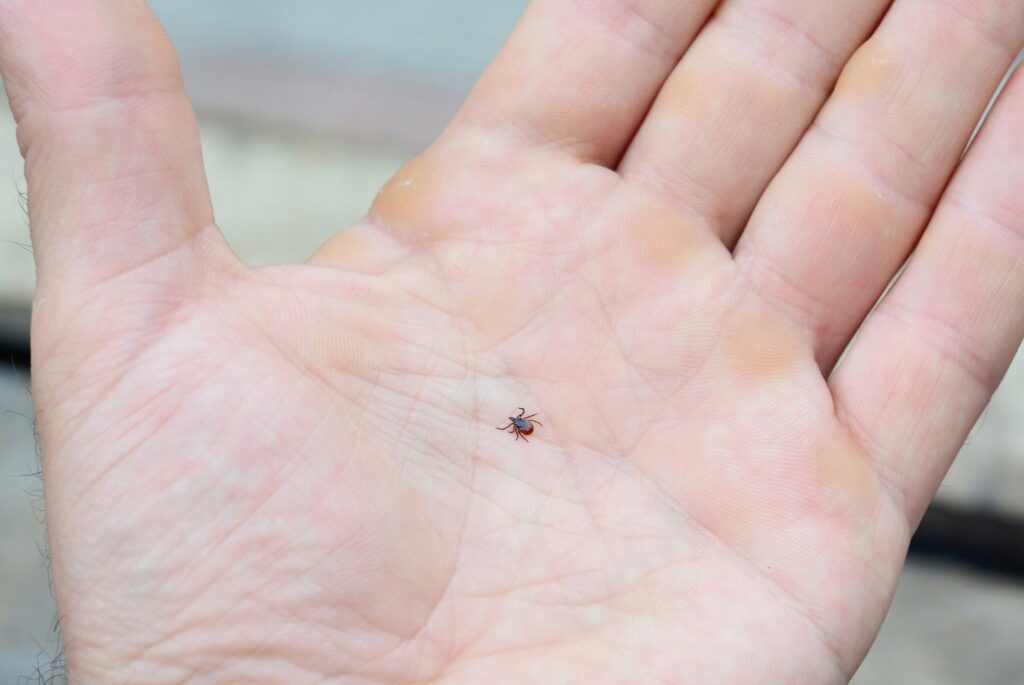
Tick Removal Services by Pest Control Xperts in Palo Alto
Serving homes, apartments, dormitories, hotels, and healthcare offices throughout Palo Alto, Atherton, Stanford, Portola Valley, California, and Surrounding Areas
Professional Tick Control for Palo Alto, Atherton, Stanford, & Portola Valley, California
Are you tired of battling an unseen enemy in your home or business? Do you find yourself constantly wiping away suspicious trails or discovering tiny, unwelcome guests in your pantry? If you’ve tried every DIY solution under the sun only to see the problem return, you’re not alone. Many property owners in Palo Alto, Atherton, Stanford, and Portola Valley face the frustrating reality of persistent Tick infestations. What you see on the surface, those visible trails and occasional foragers, are merely illusions undone by a hidden, thriving colony deep within your property’s structure. At Palo Alto Pest Control Experts, we understand this frustration, and we’re here to provide the definitive solution: complete Tick extermination that targets the problem at its source, eliminating the queen and the entire nest.
Why Bed Bugs Appear in Palo Alto and Surrounding Communities
The unique climate and architectural landscape of our California communities create ideal conditions for various Tick species to flourish. Our region experiences warm, dry summers and mild, wet winters, which can influence Tick behavior. While some species become less active in cooler periods, others seek warmth and moisture indoors, making your home or business an attractive refuge. Local geographical features, such as the proximity to the San Francisco Bay, nearby creeks, and the abundant greenery of the surrounding hills, contribute to moisture levels that Bed Bugs often seek out. This, combined with common architectural styles, creates specific vulnerabilities:
- Historic Wooden Homes: Many older homes in areas like Palo Alto and Atherton feature extensive wooden structures, providing ample nesting opportunities for wood-destroying insects like carpenter Bed Bugs.
- Dense Commercial Districts: The close proximity of buildings in commercial areas can facilitate the spread of pavement Bed Bugs and odorous house Bed Bugs between properties.
- New Suburban Developments: Even modern homes can be susceptible. Foundation cracks, gaps around utility lines, and landscaping that provides easy access can invite Bed Bugs indoors.
- Food Sources: Accessible food sources, whether from unsealed pantry items in a kitchen or discarded food in a commercial setting, are a primary attractant.
- Moisture: Leaky pipes, poor drainage, and high humidity create the moist environments many Bed Bugs need to survive and thrive.
- Neighboring Issues: Infestations can easily spread from adjacent properties, making community-wide solutions crucial.
Types of Bed Bugs Commonly Found in California
Understanding the specific Tick species you’re dealing with is the first step toward effective elimination. In our California region, you’re most likely to encounter:
- Carpenter Bed Bugs: These are among the largest Bed Bugs, often dark-bodied with a single node between their thorax and abdomen. They don’t eat wood but excavate tunnels to create nests, causing significant structural damage over time. You might find piles of wood shavings (frass) or hear faint rustling sounds within walls.
- Pavement Bed Bugs: Small, dark brown to black, these Bed Bugs typically nest under pavements, rocks, and concrete slabs. They often enter homes through cracks in foundations or around utility lines, especially during warmer months. They’re a nuisance pest, often found foraging in kitchens and basements.
- Odorous House Bed Bugs: These small, dark brown Bed Bugs emit a distinct, rotten coconut-like odor when crushed. They are highly adaptable and can establish colonies almost anywhere, from wall voids to behind electrical outlets. They are a common kitchen pest, contaminating food and surfaces.
- Pharaoh Bed Bugs: Tiny, yellowish-brown Bed Bugs, these are particularly problematic in hospitals and food processing facilities due to their ability to spread pathogens. They form large colonies with multiple queens and can “bud” to create satellite colonies if disturbed by DIY treatments.
- Argentine Bed Bugs: Small, dark brown Bed Bugs that form massive supercolonies, often displacing native Tick species. They are highly aggressive and can infest homes in large numbers, seeking food and water.
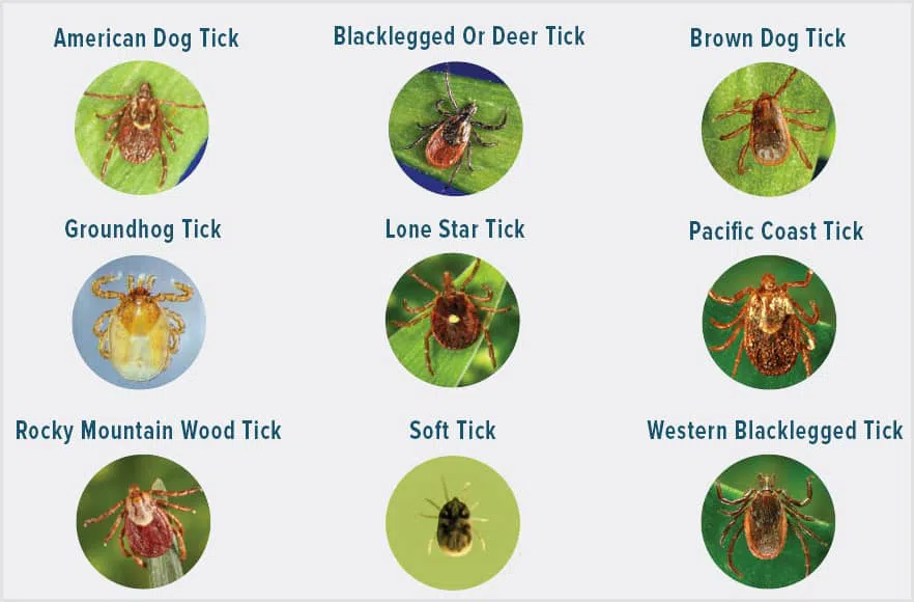
Problems Bed Bugs Create for Homes and Businesses
An unchecked Tick infestation is more than just an annoyance; it poses significant threats to your property, health, and peace of mind:
- Food Contamination: Bed Bugs, especially odorous house and pharaoh Bed Bugs, can contaminate food preparation surfaces and stored food items, leading to health risks.
- Property Damage: Carpenter Bed Bugs can cause extensive structural damage by tunneling through wooden beams, floor joists, and other critical components of your home or business. This can compromise the integrity of the building over time.
- Daily Frustration: The constant presence of Bed Bugs, the need to clean up trails, and the worry of an escalating problem can lead to significant stress and discomfort for residents and employees.
- Brand Reputation Risk: For businesses, a visible Tick infestation can severely damage your reputation, leading to lost customers and negative reviews.
- Electrical Hazards: Bed Bugs can sometimes chew through electrical wiring, creating potential fire hazards.
Signs of an Escalating Tick Infestation
Early detection is key to preventing a minor Tick problem from becoming a full-blown crisis. Be vigilant for these warning signs:
- Consistent Trails: Visible pathways of Bed Bugs moving between their nest and food sources, often along baseboards, countertops, or pipes.
- Frass or Sawdust: Small piles of wood shavings or granular material near wooden structures, indicating carpenter Tick activity.
- Winged Bed Bugs Indoors: The presence of winged reproductive Bed Bugs (swarmers) inside your home, especially during warmer months, is a strong indicator of a mature, established colony.
- Specific Odors: Some Bed Bug species, like odorous house Bed Bugs, emit a distinctive smell when their colonies are disturbed.
- Tick Nests: While often hidden, you might find evidence of nests in secluded, dark areas, such as behind appliances, within wall voids, or in insulation.
- Damaged Wood: Hollow-sounding wood, sagging floors, or unexplained cracks in wooden structures can point to carpenter Tick damage.
Why Professional Extermination is Essential for Tick Removal
You’ve likely tried store-bought sprays, traps, and baits, hoping to reclaim your space from these persistent pests. The truth is, these DIY methods offer only temporary relief, creating illusions undone by the hidden reality of a thriving Tick colony. Here’s why professional intervention is not just an option, but the only true solution:
- Targeting the Foragers, Not the Colony: Most DIY products only kill the Bed Bugs you see, the foragers venturing out for food. They do nothing to eliminate the queen or the vast majority of the colony hidden deep within your walls or foundation. It’s like trimming the leaves of a weed without pulling it out by the root; the problem will inevitably grow back.
- “Budding” and Satellite Colonies: When a Tick colony feels threatened by ineffective treatments, some species, particularly pharaoh Bed Bugs, can react by “budding.” This means the colony splits into smaller, independent satellite colonies, each with its own queen. Instead of solving the problem, you inadvertently multiply it, making the infestation even harder to control.
- Hidden Nests: Tick nests are often located in inaccessible areas, such as within wall voids, under concrete slabs, or deep inside wooden structures. Without specialized equipment and expertise, you simply cannot reach these critical areas. Professional exterminators have the tools and knowledge to locate and treat these hidden nests directly.
- Incorrect Identification: Different Tick species require different treatment approaches. Misidentifying the type of Tick you have can lead to using the wrong products, which are ineffective at best and can exacerbate the problem at worst.
- Safety Concerns: Using chemical pesticides without proper training can be dangerous for your family, pets, and the environment. Professionals are trained in safe application techniques and use products that are effective yet minimize risk.
Professional service eliminates the problem at its source. We focus on complete colony destruction, targeting the queen and the entire nest to ensure that the infestation is eradicated, not just temporarily suppressed. This is the only way to achieve lasting freedom from Bed Bugs.
Our Tick Removal Method
At [Palo Alto] Pest Control Experts, we employ a thorough, systematic approach to Tick extermination, ensuring every step is taken to eliminate the infestation and prevent its return:
- Consultation & Inspection: Our process begins with a detailed consultation and a comprehensive inspection of your property. We identify the specific Tick species, locate nesting sites, assess the extent of the infestation, and pinpoint entry points. This crucial step allows us to develop a customized treatment plan.
- Customized Treatment: Based on our findings, we implement a targeted treatment strategy. This may include baiting systems designed to be carried back to the colony, direct treatment of nests, and application of residual products in key areas. Our methods are chosen for their effectiveness against the specific Tick species present and their ability to reach the hidden heart of the colony.
- Exclusion & Maintenance: We don’t just eliminate existing Bed Bugs; we help prevent future infestations. This involves identifying and advising on exclusion techniques, such as sealing cracks and crevices, repairing damaged screens, and improving drainage to reduce moisture. We also provide recommendations for ongoing maintenance to keep your property Tick-free.
- Monitoring & Follow-Up: Our commitment to your satisfaction extends beyond the initial treatment. We implement monitoring protocols to ensure the effectiveness of our methods and schedule follow-up visits as needed. This allows us to confirm colony elimination and address any lingering concerns.
Why Palo Alto Relies on [Palo Alto] Pest Control Experts
When it comes to Tick control, property owners in Palo Alto, Atherton, Stanford, and Portola Valley trust [Palo Alto] Pest Control Experts for our:
- Regional Familiarity: We possess an in-depth understanding of the local environment, climate, and architectural nuances that influence Tick behavior in our specific service area.
- Focus on Complete Colony Destruction: Our primary objective is to eliminate the entire Tick colony, including the queen and the nest, ensuring a lasting solution rather than temporary fixes.
- Safe Application Methods: We prioritize the safety of your family, pets, and the environment by employing responsible and effective application techniques.
- Commitment to Follow-Up: We stand by our work with thorough monitoring and follow-up services to ensure your complete satisfaction and a Tick-free property.
Don’t let the frustration of a persistent Tick infestation continue to disrupt your life. The temporary illusions of DIY methods will always be undone by the hidden colony. It’s time to choose a professional service that eliminates the problem at its source, bringing you true peace of mind. Contact us for an immediate consultation today.
We proudly serve Palo Alto, Atherton, Stanford, Portola Valley, and surrounding zip codes.